The Big Question
"Abhishek, we are building our MVP. We have no revenue yet. Every rupee counts. How do we build on the cloud without spending a fortune? And what happens if we suddenly get users – will our costs explode?"
Here is the honest truth:
Cloud computing is the best thing that ever happened to startups. But only if you use it wisely.
Let me show you how.
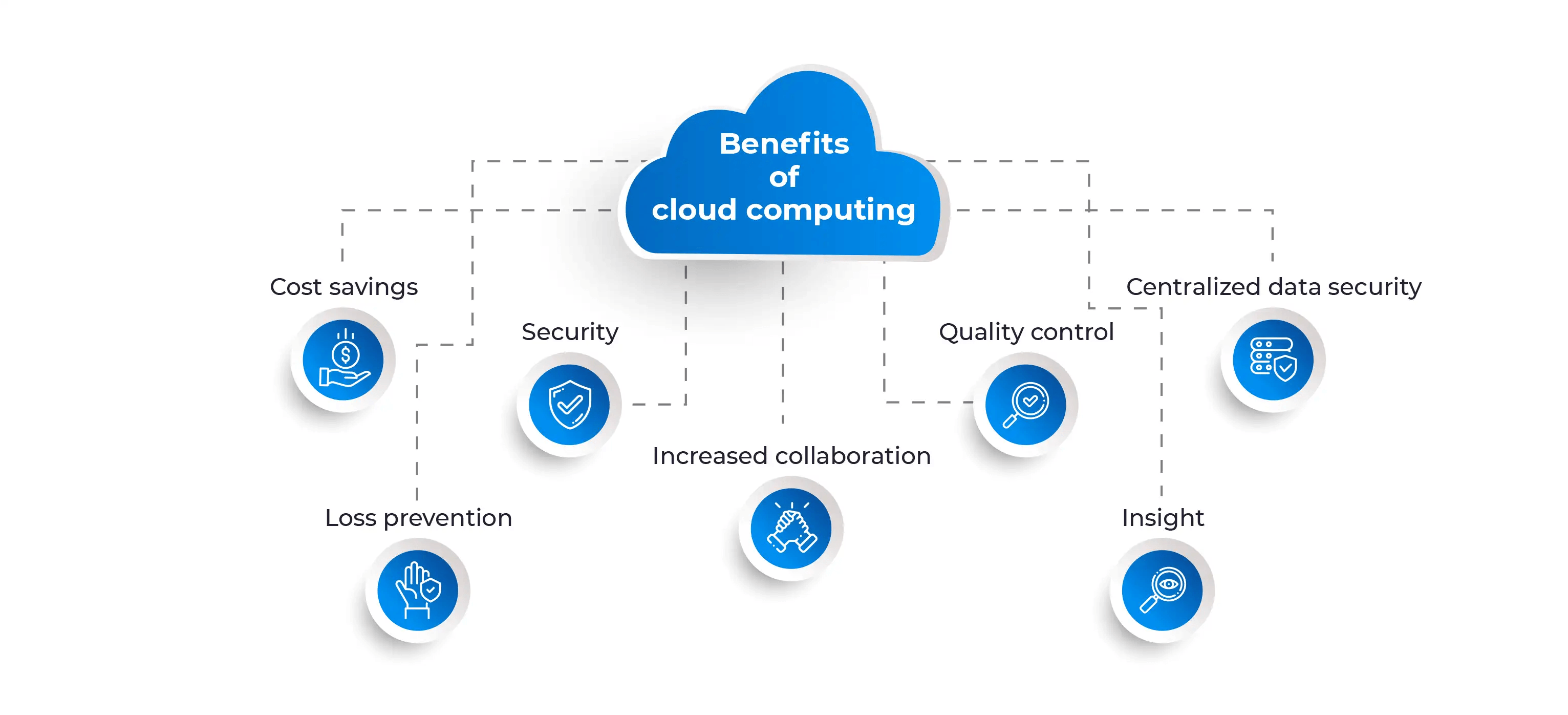
Step 3: The Startup Cloud Advantage (At a Glance)
Here is what cloud enables for startups.
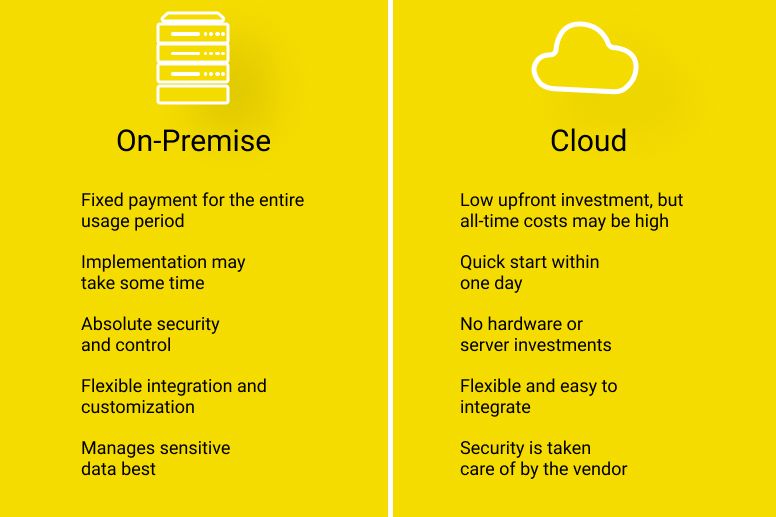
| Traditional Approach | Cloud Approach | Savings for Startups |
|---|---|---|
| Buy servers: ₹5-20 lakhs upfront | Zero upfront – pay as you go | 100% upfront savings |
| Wait 2-4 weeks for hardware | Launch in minutes | 4 weeks faster to market |
| Pay for peak capacity (wasteful) | Auto-scale to demand | 50-80% cost savings |
| Hire IT staff (₹5-10 lakhs/year) | Managed services included | 1-3 FTEs saved |
| Overprovision "just in case" | Start small, grow gradually | 30-60% lower monthly bill |
| Fixed costs, high burn | Variable costs, low burn | Longer runway |
"The cloud turns infrastructure from a fixed cost into a variable cost. For a startup with no revenue, this is the difference between launching and dying."
Step 4: Real Startup Success Stories
Let me share three real examples of startups that used cloud to launch and scale.
Example 1: Fintech Startup – From Zero to 1 Million Users
The startup: A digital payments platform for small businesses
The challenge: Launch MVP in 3 months with ₹0 infrastructure budget
The cloud approach:
| Phase | What They Did | Monthly Cost |
|---|---|---|
| MVP (0-100 users) | Single server + managed database + CDN | ₹5,000-10,000 |
| Growth (1K-10K users) | Auto-scaling + load balancer + caching | ₹25,000-50,000 |
| Scale (100K-1M users) | Microservices + multi-region + CDN | ₹1-3 lakhs |
The result: Launched in 3 months. Scaled to 1 million users in 18 months. Never bought a server. Infrastructure cost as percentage of revenue: <5%.
*"Without cloud, we would have needed ₹20 lakhs upfront just to start. Instead, we started with ₹5,000/month and scaled as we grew."*
Example 2: SaaS Startup – Zero to IPO
The startup: A B2B SaaS platform for team collaboration
The cloud approach:
| Milestone | Cloud Strategy | Infrastructure Cost |
|---|---|---|
| MVP (first 100 customers) | Serverless + managed services | ₹10,000/month |
| Product-market fit (1,000 customers) | Containerized + auto-scaling | ₹50,000/month |
| Growth (10,000 customers) | Multi-region + CDN + caching | ₹3 lakhs/month |
| Enterprise (100,000+ customers) | Hybrid + dedicated + reserved | ₹15 lakhs/month |
The result: Grew from 0 to ₹100 crore ARR in 4 years. Infrastructure scaled without re-architecture. Never had a major outage during growth.
"Every time we grew, the cloud grew with us. We never had to pause feature development to 'fix infrastructure.'"
Example 3: AI Startup – Training Models Without Breaking the Bank
The startup: An AI-powered content generation platform
The challenge: Need GPU servers for model training. Traditional cost: ₹10-20 lakhs per GPU server.
The cloud approach:
| Task | Cloud Strategy | Cost |
|---|---|---|
| Initial experimentation | Spot instances (preemptible) | ₹20/hour (95% off) |
| Model training | Reserved + spot hybrid | ₹5 lakhs total (vs ₹50 lakhs) |
| Inference (production) | Serverless GPU | Pay per request (₹0.50-2 per 1K calls) |
The result: Trained their models for ₹5 lakhs instead of ₹50 lakhs. Used the savings to hire their first sales person. Reached profitability in 18 months.
"Cloud spot instances made AI training accessible to bootstrapped startups. We could never have afforded dedicated GPU servers."
Step 5: Cost Optimization Strategies for Startups
Here is how to keep your cloud bill low while you grow.
Strategy 1: Start Serverless (No Idle Servers)
| Traditional (VMs) | Serverless | Savings |
|---|---|---|
| Pay for server 24/7 | Pay per request | 70-95% for low-traffic |
| Provision for peak | Auto-scale | No wasted capacity |
| Manage OS, patches | Nothing to manage | 1 FTE saved |
Best for: MVP, low-traffic APIs, event-driven workloads
Example:
-
1,000 API calls/day on a VM: ₹1,500/month (24/7 server)
-
1,000 API calls/day on serverless: ₹50/month
-
Savings: 97%
Strategy 2: Use Free Tier Generously
| Provider | Free Tier Highlights | Duration |
|---|---|---|
| AWS | 750 hours EC2 (t2.micro) per month, 25GB DynamoDB, 5GB S3 | 12 months + always free |
| Azure | 750 hours B1S VM, 64GB storage, App Service | 12 months + always free |
| Google Cloud | 1 f1-micro VM per month, 5GB storage, BigQuery (10GB queries free) | Always free (limited) + 12 months |
| Cloudflare | Workers, Pages, D1, R2 (10GB) | Always free |
| Vercel | 100GB bandwidth, serverless functions | Always free (hobby) |
Strategy: Build your MVP entirely on free tier. Only pay when you exceed limits.
"Your first 10,000 users can often run on free tier. By the time you need to pay, you should have revenue."
Strategy 3: Use Spot/Preemptible Instances for Non-Production
| Workload | Use Spot? | Savings |
|---|---|---|
| CI/CD runners | Yes | 70-90% |
| Batch processing | Yes | 70-90% |
| Model training (with checkpoints) | Yes | 70-90% |
| Development environments | Yes | 70-90% |
| Staging environments | Yes (with tolerance) | 70-90% |
| Production databases | No | – |
Example: Batch processing 10 hours/day on spot: ₹500/month vs ₹5,000/month on-demand.
Strategy 4: Auto-Scale Aggressively
| Setting | Default | Startup-Optimized | Savings |
|---|---|---|---|
| Min instances | 2 (for HA) | 1 (tolerate downtime) | 50% |
| Scale-in cooldown | 5 minutes | 2 minutes | Faster scale-in |
| Scale-out threshold | 70% CPU | 50% CPU (but fewer instances) | Balanced |
| Max instances | 10 | 5 (for MVP) | 50% |
For MVP/low-traffic: Scale to zero when not in use (auto-sleep).
Strategy 5: Use Managed Services (Even if More Expensive Per Unit)
| DIY (on VM) | Managed Service | Why Managed Wins for Startups |
|---|---|---|
| Run your own database | RDS, Cloud SQL | 100+ hours saved |
| Run your own cache | ElastiCache, Memorystore | No patching, backups |
| Run your own search | OpenSearch, Elastic Cloud | Built-in scaling |
| Run your own queue | SQS, Pub/Sub | No server management |
The math: A developer's time costs ₹50,000-1,00,000/month. If managed service saves 1 week/month of developer time (₹12,500-25,000), it is worth paying ₹5,000-10,000 extra.
"For a startup, time is more valuable than cloud cost. Managed services give you time back. Use them."
Step 6: Scaling Strategies for Startups
Here is how to grow without breaking.
Phase 1: MVP (0-100 users)
| Strategy | Cost | Setup Time |
|---|---|---|
| Single server + managed database | ₹5,000-10,000/month | 1-2 days |
| Serverless (no servers to manage) | ₹1,000-5,000/month | 2-3 days |
| Platform-as-a-Service (Heroku-style) | ₹2,000-10,000/month | 1 hour (deploy only) |
Goal: Launch fast, spend almost nothing, validate product-market fit.
Phase 2: Early Growth (100-1,000 users)
| Strategy | Cost | Changes |
|---|---|---|
| Add load balancer | +₹3,000/month | Single server → load balancer + 2 servers |
| Add CDN for static assets | +₹2,000/month | Faster global access |
| Add caching (Redis) | +₹2,000/month | Reduce database load |
| Move database to managed (if DIY) | +₹5,000/month | Reduce maintenance |
Goal: Handle growth, still low cost, minimal architectural changes.
Phase 3: Scaling (1K-100K users)
| Strategy | Action |
|---|---|
| Auto-scaling groups | Automatically add/remove servers |
| Read replicas for database | Scale reads separately |
| Microservices (if needed) | Break monolith only when necessary |
| Multi-region | Serve users closer to them |
Goal: Scale to millions of users without re-architecting.
Step 7: Free Credits and Startup Programs
Most founders do not know about these programs. They can save you lakhs.
Major Cloud Provider Startup Credits
| Program | Credits | Eligibility | Apply |
|---|---|---|---|
| AWS Activate | Up to $100,000 (₹8 lakhs+) | Startup with funding or accelerator | Easy |
| Microsoft for Startups | Up to $150,000 (₹12 lakhs+) | Any startup | Easy |
| Google for Startups | Up to $200,000 (₹16 lakhs+) | Selected startups | Competitive |
| Cloudflare for Startups | $5,000 (₹4 lakhs) | Any startup | Easy |
| DigitalOcean Hatch | $100,000 (₹8 lakhs) | Selected startups | Competitive |
Indian Cloud Provider Programs
| Provider | Credits | Best For |
|---|---|---|
| Utho Cloud | Startup credits available | Data localisation, predictable pricing |
| CtrlS | Custom packages | Enterprise-ready infrastructure |
Accelerator Programs (Include Cloud Credits)
| Program | Cloud Credits |
|---|---|
| Y Combinator | $100,000+ across multiple providers |
| Sequoia Arc | AWS, Azure, GCP credits |
| 500 Global | Various cloud credits |
| T-Hub (Hyderabad) | Local + global credits |
| Startup India (Govt) | Various benefits + cloud credits |
"Apply for these programs even before you need the credits. Some credits expire after 12 months, but you can plan your usage."
Step 8: Common Startup Cloud Mistakes (And How to Avoid Them)
Here are the mistakes I see most often – and how to avoid them.
Mistake #1: Overprovisioning "Just in Case"
| What Startups Do | Why It Hurts | What to Do Instead |
|---|---|---|
| "Let's use a large instance to be safe" | Paying 3-5x more than needed | Start small, monitor, scale up if needed |
Estimated waste: 30-50% of cloud bill
Mistake #2: No Cost Monitoring
| What Startups Do | Why It Hurts | What to Do Instead |
|---|---|---|
| "We will check costs monthly" | One expensive query can blow budget | Set up daily cost alerts, review weekly |
Estimated waste: 10-30% of cloud bill
Mistake #3: Using Cloud Like a Data Center
| What Startups Do | Why It Hurts | What to Do Instead |
|---|---|---|
| Run a VM 24/7 for a cron job | Paying ₹5,000/month for ₹100/month task | Use serverless (Lambda, Cloud Functions) |
Estimated waste: 50-80% of cloud bill for spiky workloads
Mistake #4: No Lifecycle Policies
| What Startups Do | Why It Hurts | What to Do Instead |
|---|---|---|
| Keep all logs forever | Paying for storage you do not need | Delete logs after 30 days, archive older |
Estimated waste: ₹1,000-10,000/month
Step 9: Sample Monthly Budgets by Stage
Here is what your cloud bill should look like at each stage.
Pre-Revenue / MVP Stage
| Service | Estimated Monthly | Notes |
|---|---|---|
| Compute (free tier + small) | ₹0-1,000 | Use free tier aggressively |
| Database (free tier) | ₹0 | Managed free tier |
| Storage (free tier) | ₹0 | 5-10GB free |
| CDN (free tier) | ₹0 | Cloudflare free |
| Monitoring (free tier) | ₹0 | Included |
| Total | ₹0-2,000 |
Goal: ₹0-2,000/month
Early Traction (100-1,000 users, some revenue)
| Service | Estimated Monthly |
|---|---|
| Compute (small instances, auto-scale) | ₹5,000-10,000 |
| Database (managed, small) | ₹2,000-5,000 |
| Storage | ₹1,000-2,000 |
| CDN | ₹1,000-3,000 |
| Monitoring + logging | ₹1,000-2,000 |
| Total | ₹10,000-22,000 |
Goal: Keep under ₹25,000/month
Growth Stage (1,000-10,000 users, profitable unit economics)
| Service | Estimated Monthly |
|---|---|
| Compute (auto-scaling, multi-AZ) | ₹25,000-50,000 |
| Database (replicas, reserved) | ₹10,000-25,000 |
| Storage + backup | ₹5,000-10,000 |
| CDN + caching | ₹5,000-15,000 |
| Monitoring + logging + security | ₹5,000-10,000 |
| Total | ₹50,000-1,10,000 |
Goal: Infrastructure <10-15% of revenue
Step 10: Cloud Provider Comparison for Startups
| Provider | Best For | Free Tier | Startup Credits | Ease of Use |
|---|---|---|---|---|
| AWS | Broadest services, long-term | 12 months + always | Up to $100K | Steep learning |
| Azure | Microsoft shops, enterprise | 12 months + always | Up to $150K | Moderate |
| Google Cloud | AI/ML, data analytics | Always + 12 months | Up to $200K | Moderate |
| Cloudflare | Serverless, CDN, security | Generous always free | $5K | Easy |
| Vercel/Netlify | Frontend, JAMstack | Generous hobby tier | Limited | Very easy |
| DigitalOcean | Simple VMs, predictable | Limited credits | Hatch program | Easy |
| Utho (Indian) | Data localisation, predictable | Contact | Startup credits | Moderate |
Our recommendation for most early-stage startups:
| If you have... | Start with... |
|---|---|
| Simple web app, no AI | Vercel/Netlify + Cloudflare Workers |
| API backend, variable traffic | AWS + free tier aggressively |
| AI/ML workloads | Google Cloud (credits + AI tools) |
| Microsoft tools (.NET, SQL Server) | Azure |
| Need data localisation in India | AWS India region or Indian provider |
Step 11: Frequently Asked Questions
Q1: Can I run my entire startup on free tier?
For MVP and early traction, yes. Many startups run for 6-12 months on free tier across multiple providers.
Q2: What if I get a sudden spike in users?
Auto-scaling + CDN + caching will handle it. Costs will spike temporarily, but you will not crash. Celebrate the spike – it means you are growing.
Q3: How do I know if I am overpaying?
Use cost monitoring tools (AWS Cost Explorer, Azure Cost Management, GCP Billing). Set alerts at 50%, 80%, 100% of budget. Review weekly.
Q4: Should I use reserved instances as a startup?
Not in early stage. Reserved instances require upfront or 1-3 year commitment. Use on-demand or spot first. Only reserve for steady, predictable, 24/7 workloads.
Q5: How do I choose between AWS, Azure, and GCP?
Start with the provider that offers the best free tier and credits. You can always move later (with effort). AWS has the most free tier resources. Google has the best AI credits.
Q6: Should I use managed services or DIY to save money?
Use managed services. Your time is more valuable than cloud cost. Pay ₹2,000/month extra to save 10 hours/week of developer time.
Q7: What about Indian cloud providers?
Consider them for data localisation, predictable pricing, and local support. But their free tiers and credits may be smaller. Evaluate based on your needs.
Q8: How do I get startup credits?
Apply to AWS Activate, Microsoft for Startups, Google for Startups, or join an accelerator. Most approvals take 1-4 weeks.
Q9: When should I hire a cloud engineer?
When your cloud bill exceeds ₹50,000/month OR when you spend >10 hours/week on cloud operations. Before that, founders or early engineers can manage.
Q10: Why should I trust Innovative AI Solutions?
Because we have helped dozens of startups launch and scale on cloud. Because we understand the constraints of early-stage founders. Because we offer a free cloud readiness assessment. And because 80% of our startup clients return for more as they grow.
Step 12: Final Tagline (SEO & Social Media Friendly)
"You do not need ₹10 lakhs to launch a startup. You need a cloud strategy. Here is how to build, scale, and pay as you grow."
Short version for LinkedIn/Twitter:
Stop buying servers. Start cloud. Launch your startup with ₹0 upfront. Pay as you grow. Here is the playbook for founders.
Hashtags:
#StartupCloud #CloudComputing #StartupIndia #Bootstrapping #SaaS #MVP #TechStartup #InnovativeAISolutions
Ready to Launch Your Startup on Cloud?
You do not need a large budget. You need the right strategy. Let us help you plan your cloud architecture – starting with a free, no-obligation consultation.
Contact Us
Phone:
+91 7464 099 059
+91 96899 67356
Email:
info@innovativeais.com
Office Address:
Netaji Subhash Place, Pitampura, Delhi – 110034
Working Hours:
Monday–Friday, 10:00 AM – 7:00 PM IST
Related services: to apply this in your business, explore our cloud services and API development and integration.