The Big Question
Every founder asks:
“Do I really need to support these devices? My users are mostly on phones.”
Here’s the honest answer:
for now but not for long.
Technology adoption follows a pattern:
- Desktops → Smartphones
- Smartphones → Tablets
- Tablets → Wearables
- Now → Foldables + Spatial devices
What’s happening in 2026:
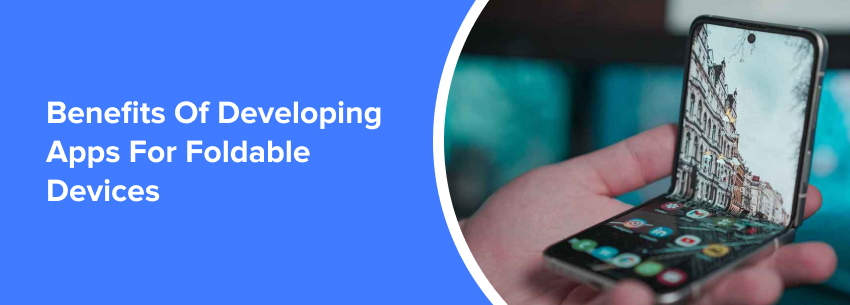
- Foldables are growing rapidly across Android ecosystems
- Wearables have hundreds of millions of active users globally
- Spatial computing is moving from early adopters to real use cases
Your users won’t stay on one screen.
Your product shouldn’t either.
Cost Based on App Type (2026)
These are realistic costs for expanding an existing app to multi-device support:
|
App Type |
Phone Only |
+ Foldables |
+ Wearables |
+ Spatial |
|
Content / News |
$10K – $20K |
+$8K – $15K |
+$12K – $25K |
+$30K – $60K |
|
Fitness App |
$15K – $30K |
+$10K – $18K |
+$20K – $40K |
+$35K – $70K |
|
E-commerce |
$20K – $40K |
+$15K – $25K |
+$15K – $30K |
+$50K – $100K |
|
Social App |
$25K – $50K |
+$12K – $22K |
+$18K – $35K |
+$60K – $120K |
|
Productivity Tool |
$30K – $60K |
+$15K – $28K |
+$25K – $45K |
+$70K – $150K |
Why is it expensive?
Each device introduces complexity:
- Foldables: dynamic screen resizing mid-use
- Wearables: battery and performance constraints
- Spatial devices: entirely new interaction models
You’re not just resizing UI you’re redesigning experiences.
Breakdown by Developer Type (2020 → 2026)
|
Role |
2020 |
2023 |
2026 |
|
Frontend Developer |
$30 – $60 |
$45 – $80 |
$60 – $110 |
|
Wearables Specialist |
$50 – $90 |
$80 – $130 |
$120 – $200 |
|
Foldables Specialist |
$40 – $70 |
$60 – $100 |
$90 – $160 |
|
Spatial Developer |
N/A |
$100 – $180 |
$160 – $300 |
|
Cross-platform Dev |
$40 – $75 |
$60 – $100 |
$80 – $140 |
|
Freelancers (India) |
$15 – $30 |
$25 – $45 |
$45 – $85 |
|
Agencies (US/EU) |
$100 – $180 |
$130 – $220 |
$200 – $400 |
Key Insight
Spatial computing developers are extremely rare and demand is rising fast.
Why Prices Changed in 2026
1. Foldables Broke Traditional Responsive Design
Apps must adapt instantly when screens change size mid-session.
2. Wearables Demand Efficiency
- Smaller batteries
- Limited processing power
- Constant connectivity issues
Optimization is no longer optional.
3. No Standard UX in Spatial Computing
There’s no universal rulebook yet:
- Gesture vs voice vs gaze
- 2D vs immersive UI
Every decision impacts architecture.
Pro Tips to Save Money in 2026
Start Small with Wearables
Focus on notifications first instead of full apps
→ Cost: ~$3K–$5K instead of $25K+
Choose the Right Framework
Use:
- SwiftUI (iOS)
- Jetpack Compose (Android)
They support modern device behaviours better.
Use “Companion Mode” for Spatial
Start with a floating 2D interface instead of full 3D
→ Faster and cheaper
Work with Teams Who Use Real Devices
Testing on actual devices catches issues simulators miss.
Questions to Ask Before Hiring
- Do you test on real devices?
- How do you handle foldable screen transitions?
- What’s your battery optimization strategy?
- Can you show a real spatial app you’ve built?
No real answers = no real experience.
Why Delhi is a Strong Hub for Multi-Device Development
Areas like Netaji Subhash Place are emerging as strong tech ecosystems.
Why it works:
- Access to diverse devices for testing
- Strong engineering talent pool
- Cost-effective development
- Fast global collaboration
Delhi offers a practical advantage:
high-quality work without inflated costs.
What We Offer (Innovative AI Solutions)
Our Services:
- Multi-Device Audit ($1,500)
- Wearable Notification Integration (from $4K)
- Foldable UI Optimization (from $12K)
- Spatial Companion Mode (from $18K)
- Full Spatial Experience (from $60K)
Our Approach:
We don’t push every platform.
We help you choose the right devices for your users first.
Frequently Asked Questions (FAQ)
Q: Are foldables still niche?
Not anymore. Adoption is growing fast, especially in Asia and Europe.
Q: Spatial computing vs VR?
VR = immersive, isolated
Spatial = blends digital + physical world
Q: Can I test without devices?
Yes, using cloud labs but real devices are always better.
Q: Will my backend work?
Mostly yes, but APIs need optimization for smaller payloads.
Q: Is this only for big companies?
No. Start small (notifications, responsive UI) and scale gradually.
Q: Timeline?
- Wearables: 2–3 weeks
- Foldables: 4–6 weeks
- Spatial (basic): 4–6 weeks
- Full spatial: 4–6 months
Final Thoughts
Your users are no longer tied to one screen.
They move between devices effortlessly.
Your product needs to follow that behavior.
Multi-device support is no longer innovation.
It’s becoming expectation.
Contact Us
Phone: +91 7464 099 059 / +91 9689967356
Email: info@innovativeais.com
website: www.innovativeais.com
Address: Netaji Subhash Place, Pitampura, Delhi – 110034
Related services: to apply this in your business, explore our web development and AI development services.