Transform Your Online Presence with Innovative AI Solutions
Your website is often the first interaction a potential customer has with your business. Before contacting your sales team, visiting your office, calling your business, or purchasing a product, customers frequently explore your website to understand who you are, what you offer, and why they should choose you.
This makes your website much more than an online brochure. It is an important part of your brand identity, marketing strategy, customer experience, lead-generation process, and overall digital presence.
However, websites can become outdated over time. Design trends change, technologies evolve, customer expectations increase, search engine requirements become more sophisticated, and businesses themselves grow.
A website that looked modern five years ago may now appear outdated, load slowly, provide a poor mobile experience, or make it difficult for visitors to find important information.
This is where Website Redesign becomes important.
A professional website redesign can transform an outdated website into a modern, responsive, fast, user-friendly, SEO-friendly, and conversion-focused digital platform.
At Innovative AI Solutions, we help businesses improve their websites through customized website design and redesign services focused on user experience, responsive design, performance, SEO, conversion optimization, modern technology, and business objectives.
What Is Website Redesign?
Website redesign is the process of improving an existing website's visual appearance, structure, content, functionality, user experience, performance, and technical foundation.
A redesign does not necessarily mean rebuilding every part of a website from scratch.
Depending on the existing website and business requirements, a redesign may include:
-
Updating the website's visual design
-
Improving website navigation
-
Creating a responsive mobile experience
-
Improving page speed
-
Restructuring website content
-
Improving typography
-
Updating images and graphics
-
Improving calls-to-action
-
Optimizing landing pages
-
Improving website accessibility
-
Fixing technical issues
-
Improving SEO
-
Adding new features
-
Integrating APIs
-
Adding analytics
-
Adding AI-powered functionality
-
Improving conversion rates
The objective is to create a website that looks modern while also performing better for users and the business.
A successful website redesign therefore combines design, technology, content, SEO, performance, and business strategy.
Website Redesign vs Website Development
Website redesign and website development are related but different.
Website development usually refers to building a new website or application from the ground up.
Website redesign focuses on improving an existing digital presence.
For example, a company may already have a website built several years ago using an older technology stack. Instead of starting completely from zero, the business may want to modernize the UI, improve mobile responsiveness, migrate the backend, improve SEO, and add new functionality.
In such cases, a redesign and modernization project can be more appropriate.
Sometimes, however, an existing website has serious technical limitations. In that situation, rebuilding the website using a modern technology stack may be the better option.
The right approach depends on the website's architecture, business goals, SEO performance, technical debt, and future requirements.
Why Does Your Business Need a Website Redesign?
There are many reasons businesses decide to redesign their websites.
1. Outdated Website Design
Design trends change continuously.
An outdated website may use:
-
Old typography
-
Cluttered layouts
-
Excessive text
-
Poor-quality images
-
Outdated navigation
-
Inconsistent colors
-
Small buttons
-
Poor spacing
-
Old visual elements
Even if the information on the website is correct, the overall presentation may create a weak first impression.
A modern website redesign can create a cleaner and more professional brand experience.
2. Poor Mobile Experience
Today, users access websites from many different devices.
A website that works well only on desktop computers can lose potential customers who use smartphones or tablets.
A responsive website redesign ensures that:
-
Content adapts to different screen sizes
-
Navigation works on mobile
-
Buttons are easy to tap
-
Forms are usable
-
Images scale properly
-
Text remains readable
-
Important information remains accessible
Mobile-first thinking should be part of modern website redesign.
3. Slow Website Performance
Website performance has a significant impact on user experience.
Visitors may leave a website if pages take too long to load.
Slow performance can result from:
-
Large images
-
Unoptimized JavaScript
-
Excessive third-party scripts
-
Poor hosting
-
Inefficient code
-
Too many plugins
-
Poor database queries
-
Unnecessary network requests
During a website redesign, developers can review the technical architecture and identify opportunities to improve performance.
Performance optimization may include:
-
Image compression
-
Modern image formats
-
Code optimization
-
Caching
-
Lazy loading
-
CDN implementation
-
Script optimization
-
Database optimization
-
Server optimization
The goal should be to create a fast and efficient experience rather than simply making the website visually attractive.
4. Difficult Website Navigation
Website navigation should be simple and intuitive.
Visitors should quickly understand:
-
What the company does
-
What services are available
-
Where products are located
-
How to contact the company
-
How to request a quote
-
How to make a purchase
-
How to find important information
If visitors have to search through multiple pages to find basic information, the website structure needs improvement.
A redesign can introduce a clearer navigation hierarchy and logical information architecture.
5. Low Conversion Rates
A website can receive traffic but still generate very few leads or sales.
This can happen when:
-
Calls-to-action are unclear
-
Forms are too complicated
-
Landing pages are poorly designed
-
Contact information is difficult to find
-
Trust signals are missing
-
Product information is unclear
-
Navigation creates friction
A conversion-focused website redesign looks beyond visual appearance.
It asks an important question:
What should the visitor do next?
Depending on the business, this could be:
-
Book a consultation
-
Call the business
-
Submit an enquiry
-
Request a quotation
-
Buy a product
-
Schedule a demo
-
Register for a service
-
Download a resource
Every important page should have a clear next step.
Key Elements of a Successful Website Redesign
A professional redesign should consider multiple areas simultaneously.
Modern and Professional UI Design
The visual design of a website should represent the company's brand and industry.
Important design elements include:
-
Typography
-
Color system
-
Layout
-
Spacing
-
Buttons
-
Cards
-
Images
-
Icons
-
Animations
-
Forms
-
Navigation
-
Content hierarchy
A modern design should not simply follow trends. It should support the company's business objectives.
At Innovative AI Solutions, website design can be customized according to the business type, target audience, brand identity, and desired customer journey.
Responsive Web Design
Responsive web design allows a website to adapt to different screen sizes.
A professional redesign should be tested across:
-
Desktop
-
Laptop
-
Tablet
-
Smartphone
Important components such as menus, forms, buttons, tables, images, and cards should remain usable across devices.
Mobile responsiveness is particularly important for businesses that receive significant mobile traffic.
Better User Experience
User experience, or UX, is one of the most important parts of modern website design.
A good website should make it easy for visitors to:
-
Understand the business
-
Find services
-
Explore products
-
Read content
-
Compare options
-
Contact the company
-
Submit forms
-
Complete purchases
-
Navigate between pages
A UX-focused redesign reduces unnecessary friction.
For example, instead of asking a visitor to click through five pages to request a consultation, the redesigned website could provide a clear call-to-action throughout the customer journey.
Website Content Restructuring
Website redesign is also an opportunity to improve content.
Content should answer the questions visitors actually have.
Important website pages may include:
-
Home
-
About Us
-
Services
-
Products
-
Solutions
-
Industries
-
Case Studies
-
Portfolio
-
Blog
-
FAQs
-
Contact
-
Privacy Policy
-
Terms and Conditions
Content should be organized according to user intent.
For example, a software company may create separate service pages for:
-
AI Development
-
Web Development
-
Mobile App Development
-
Custom Software Development
-
Cloud Solutions
-
API Development
-
AI Automation
This structure can improve both user navigation and search-engine discoverability.
SEO-Friendly Website Redesign
A redesign should never ignore SEO.
One of the biggest mistakes businesses make is redesigning a website without considering its existing search visibility.
A website may already have:
-
Ranking keywords
-
Indexed pages
-
Backlinks
-
Organic traffic
-
Search engine authority
-
Existing URLs
Changing URLs or removing pages without proper planning can negatively affect organic visibility.
A professional website redesign should therefore include an SEO migration strategy.
SEO Elements to Consider During Redesign
Important SEO considerations include:
URL Structure
Maintain valuable URLs where possible.
If URLs need to change, implement appropriate redirects.
Page Titles
Each important page should have a clear and relevant title.
Meta Descriptions
Meta descriptions should accurately communicate the page's content and encourage relevant clicks.
Heading Structure
Use logical H1, H2, and H3 structures.
Internal Linking
Connect related pages to help users and search engines discover important content.
Image Optimization
Use descriptive filenames and appropriate alternative text.
Canonical Tags
Canonicalization can help search engines understand preferred versions of pages where necessary.
XML Sitemap
The sitemap should reflect the current website structure.
Robots.txt
Ensure that important pages are not unintentionally blocked.
Structured Data
Relevant schema markup can help search engines understand content types such as:
-
Organizations
-
Products
-
Services
-
Articles
-
FAQs
-
Local businesses
SEO Migration During Website Redesign
SEO migration is particularly important when changing the website architecture.
Before launching a redesigned website, businesses should ideally create an inventory of existing URLs and identify important pages.
A migration process can include:
Existing URL → New URL → Redirect Mapping → Testing → Monitoring
Pages that already receive organic traffic or backlinks should receive special attention.
A redesign should aim to preserve existing SEO equity while creating opportunities for future growth.
Core Web Vitals and Website Performance
Modern website redesign should also consider user-centric performance metrics.
Core Web Vitals focus on areas such as:
-
Loading performance
-
Interactivity
-
Visual stability
Developers can improve performance through better architecture, optimized assets, efficient code, caching, and modern delivery techniques.
A beautiful website that takes too long to load is not an effective website.
The best redesign balances:
Visual quality + Performance + Usability + SEO + Conversion
Conversion Rate Optimization
Website redesign provides an excellent opportunity to improve conversion rates.
Conversion Rate Optimization, or CRO, focuses on helping more website visitors complete desired actions.
Possible improvements include:
-
Better CTA placement
-
Shorter forms
-
Clearer service descriptions
-
Stronger headlines
-
Better trust signals
-
Customer testimonials
-
Case studies
-
Pricing transparency
-
Social proof
-
FAQ sections
-
Better landing pages
For example, a software company may replace a generic "Contact Us" button with more specific CTAs such as:
Book a Free Consultation
Request a Demo
Get a Custom Quote
The best CTA depends on the user's intent and the company's sales process.
Website Redesign for Local Businesses
Local businesses can benefit significantly from a website redesign.
A local business website should make important information easy to find, such as:
-
Location
-
Phone number
-
Opening hours
-
Services
-
Pricing
-
Reviews
-
Directions
-
Booking options
-
Contact information
Local SEO elements can also be integrated into the redesigned website.
For businesses targeting multiple cities, dedicated location pages can be developed with unique and useful content rather than simply duplicating the same page for different locations.
Website Redesign for B2B Companies
B2B websites often have a different objective.
Instead of immediate online purchases, the website may focus on generating qualified leads.
A B2B redesign can include:
-
Industry pages
-
Solution pages
-
Case studies
-
Client logos
-
Testimonials
-
Technical documentation
-
Lead forms
-
Demo requests
-
Whitepapers
-
Resource centers
The website should communicate expertise and build trust before the visitor speaks to the sales team.
Website Redesign for E-Commerce Businesses
For e-commerce businesses, redesign requires special attention to the purchasing journey.
Important areas include:
-
Product discovery
-
Category navigation
-
Search
-
Filters
-
Product pages
-
Product images
-
Reviews
-
Pricing
-
Cart
-
Checkout
-
Payment
-
Order tracking
A redesign should reduce friction between product discovery and purchase.
Mobile shopping experience is especially important because many customers browse and purchase products from smartphones.
Website Redesign for SaaS Companies
SaaS websites need to explain technology in a simple way.
A SaaS redesign may include:
-
Product overview
-
Features
-
Benefits
-
Use cases
-
Integrations
-
Pricing
-
Customer stories
-
Documentation
-
Demo
-
Free trial
-
FAQ
The website should quickly communicate:
What is the product?
Who is it for?
What problem does it solve?
Why should customers choose it?
AI-Powered Website Redesign
Artificial Intelligence can add new capabilities to modern websites.
AI integration may include:
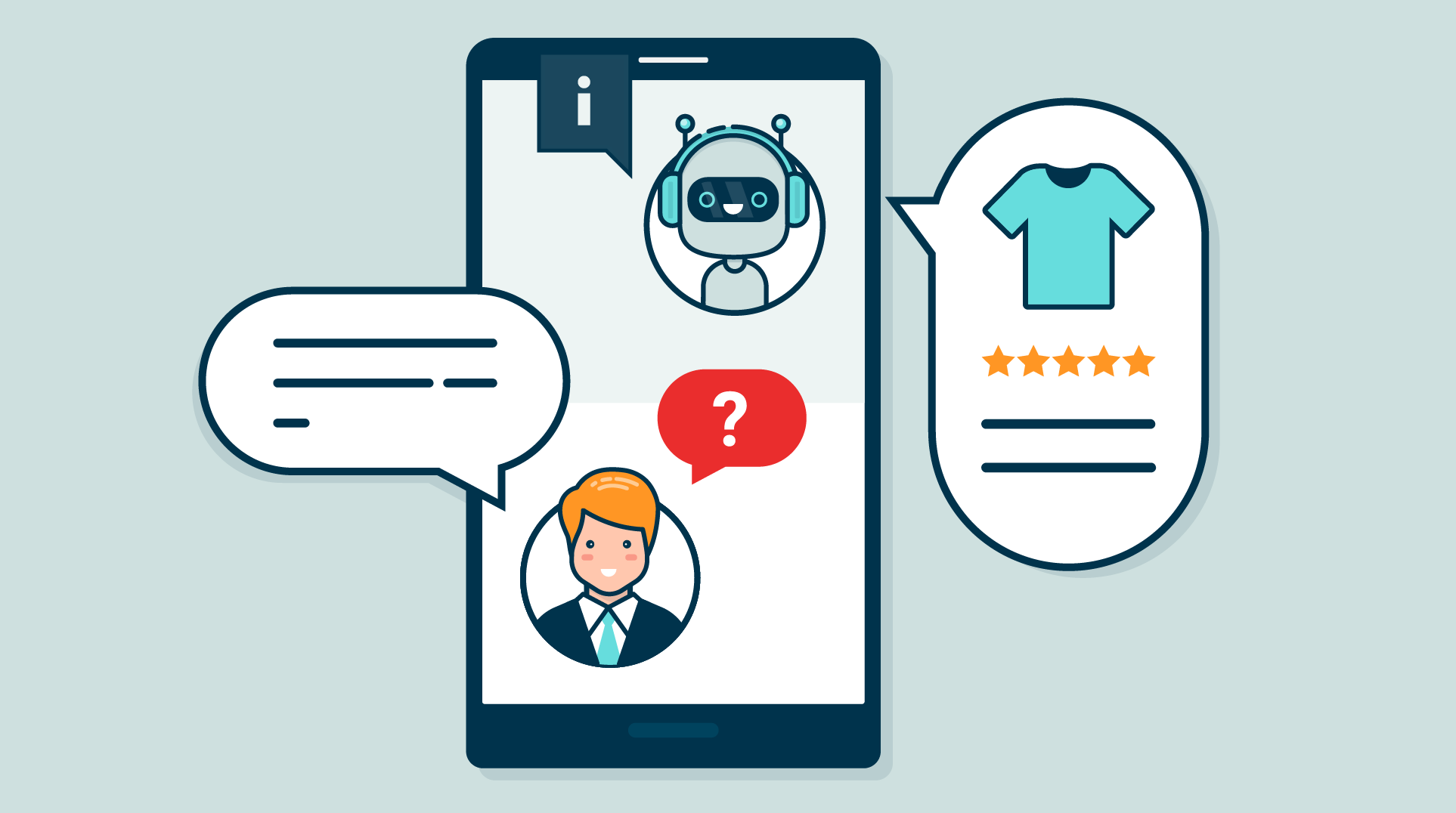
AI Chatbots
An AI chatbot can help answer common customer questions.
AI Lead Qualification
AI can ask visitors relevant questions and identify potentially qualified leads.
AI Recommendations
E-commerce and content websites can potentially use AI to provide personalized recommendations.
AI Search
Users can search website content using natural language instead of relying only on traditional keyword matching.
AI Content Assistance
AI can help businesses manage certain content workflows while maintaining human review and brand consistency.
Document-Based AI Assistants
Businesses with large knowledge bases can build AI assistants that answer questions from approved company documents.
AI should be integrated where it provides measurable value rather than being added simply because it is a current technology trend.
Analytics and Tracking
A website redesign should ideally include analytics from the beginning.
Analytics can help businesses understand:
-
Where visitors come from
-
Which pages they visit
-
How long they stay
-
Where users leave
-
Which CTAs receive interaction
-
Which forms generate leads
-
Which campaigns generate traffic
Possible tools and technologies may include:
-
Google Analytics
-
Google Search Console
-
Tag management
-
Conversion tracking
-
Heatmaps
-
Session analysis
-
CRM integration
The exact analytics stack depends on business requirements and privacy considerations.
Website Redesign and Accessibility
A professional website should also consider accessibility.
Important areas include:
-
Readable typography
-
Keyboard navigation
-
Appropriate contrast
-
Descriptive alternative text
-
Accessible forms
-
Clear focus states
-
Logical heading structures
-
Meaningful link labels
Accessibility is not only about compliance. It can also create a better experience for a wider range of users.
Security During Website Redesign
A redesign is an opportunity to review website security.
Security considerations may include:
-
HTTPS
-
Secure authentication
-
Strong password policies
-
Input validation
-
API security
-
Secure database access
-
Dependency updates
-
Access control
-
Backup strategy
-
Monitoring
-
Secure deployment
If the website contains customer accounts or sensitive information, security should be treated as a core architecture requirement.
Modern Technology Stack for Website Redesign
Different businesses require different technology stacks.
Depending on project requirements, a modern website may use technologies such as:
Frontend
-
React
-
Next.js
-
Angular
-
Vue
-
HTML
-
CSS
-
JavaScript
-
TypeScript
Backend
-
Python
-
Django
-
FastAPI
-
Node.js
-
Express
Databases
-
PostgreSQL
-
MySQL
-
MongoDB
Infrastructure
-
AWS
-
Docker
-
CDN
-
Nginx
-
CI/CD
The technology should be selected based on requirements rather than simply choosing the newest framework.
Website Redesign Process
A successful redesign requires a structured process.
Step 1: Website Audit
The existing website should be analyzed for:
-
Design
-
UX
-
SEO
-
Performance
-
Mobile responsiveness
-
Content
-
Technical issues
-
Conversion opportunities
Step 2: Business and Competitor Research
The team should understand:
-
Target audience
-
Business objectives
-
Competitors
-
Customer expectations
-
Market positioning
Step 3: Information Architecture
Plan the website's:
-
Pages
-
Categories
-
Navigation
-
URL structure
-
Internal links
Step 4: UI/UX Design
Create the new visual design and user experience.
Step 5: Development
Implement the redesigned website using the selected technology stack.
Step 6: Content Migration
Move and improve existing content while maintaining important SEO assets.
Step 7: SEO Implementation
Implement:
-
Metadata
-
Schema
-
Internal links
-
Redirects
-
Sitemap
-
Robots configuration
-
Canonicals
Step 8: Testing
Test:
-
Desktop
-
Mobile
-
Tablets
-
Browsers
-
Forms
-
Links
-
APIs
-
Performance
-
Security
-
SEO
Step 9: Deployment
Deploy the redesigned website to production infrastructure.
Step 10: Post-Launch Monitoring
Monitor:
-
Traffic
-
Rankings
-
Conversions
-
Performance
-
Errors
-
User behavior
A redesign should not be considered complete immediately after deployment. Post-launch monitoring helps identify areas that need additional optimization.
Common Website Redesign Mistakes
Businesses should avoid several common mistakes.
Focusing Only on Design
A beautiful website can still perform poorly if the UX, SEO, performance, and conversion strategy are weak.
Ignoring Existing SEO
Removing high-performing pages without planning can result in organic traffic loss.
Not Testing Mobile
A website should be thoroughly tested on mobile devices.
Using Too Many Animations
Animations can improve visual experience when used carefully, but excessive animations can negatively affect usability and performance.
Ignoring Page Speed
Large images and unnecessary scripts can make a website slow.
Making Navigation Complicated
Visitors should not have to struggle to find important information.
No Clear CTA
Every important page should guide visitors toward an appropriate next action.
Changing Everything Without Data
A redesign should be based on business requirements, analytics, user behavior, and research—not just personal design preferences.
How Much Does Website Redesign Cost?
The cost of a website redesign depends on the project's scope.
Factors include:
-
Number of pages
-
Design complexity
-
Existing technology
-
New technology requirements
-
Content migration
-
SEO requirements
-
E-commerce functionality
-
API integrations
-
CMS requirements
-
Mobile application integration
-
AI features
-
Analytics
-
Hosting
-
Security
-
Maintenance
A small business website redesign can be relatively simple, while an enterprise website migration may require extensive planning and development.
The best approach is to define the project requirements first and then create a technology and budget plan.
When Should You Redesign Your Website?
There is no fixed rule that every website must be redesigned after a particular number of years.
However, a redesign may be worth considering if:
-
The website looks outdated
-
Mobile experience is poor
-
Website speed is slow
-
Navigation is confusing
-
Organic traffic is declining
-
Conversion rates are low
-
The technology is outdated
-
The website is difficult to maintain
-
Branding has changed
-
New business services need to be added
-
The website cannot scale
-
Security issues exist
-
Analytics are missing
Instead of redesigning simply because competitors have new websites, businesses should evaluate whether the current website is helping achieve business goals.
Website Redesign Checklist
Before launching a redesigned website, businesses can review the following checklist.
Design
-
Modern UI
-
Consistent branding
-
Clear typography
-
Professional imagery
-
Consistent spacing
UX
-
Simple navigation
-
Clear CTAs
-
Easy forms
-
Logical page structure
-
Mobile-friendly experience
SEO
-
Page titles
-
Meta descriptions
-
H1/H2 structure
-
Internal linking
-
Canonicals
-
Sitemap
-
Robots.txt
-
Redirects
-
Schema markup
Performance
-
Optimized images
-
Reduced unnecessary scripts
-
Caching
-
Fast hosting
-
Performance testing
Security
-
HTTPS
-
Secure authentication
-
Access control
-
Input validation
-
Backups
Analytics
-
Analytics configured
-
Search Console configured
-
Conversion tracking
-
Form tracking
-
Important events tracked
Why Choose Innovative AI Solutions for Website Redesign?
Innovative AI Solutions provides customized website design, website redesign, software development, AI automation, and digital technology solutions for businesses.
Our website redesign approach focuses on more than visual improvement.
We consider:
Business Goals + User Experience + SEO + Performance + Technology + Conversion
Depending on the project, we can help businesses with:
-
Website UI/UX redesign
-
Responsive web design
-
Corporate website redesign
-
Business website redesign
-
E-commerce redesign
-
SaaS website redesign
-
Landing page redesign
-
SEO-friendly website redesign
-
Website performance optimization
-
Website migration
-
Custom web development
-
API integration
-
AI chatbot integration
-
AI automation
-
Analytics implementation
-
Cloud deployment
-
Website maintenance
We can also help businesses modernize older websites by migrating them toward more scalable technologies where appropriate.
For example, an existing PHP website may be redesigned and migrated to a modern architecture using technologies such as React, Next.js, Django, FastAPI, or Node.js depending on the project's requirements.
Our Approach to Website Redesign
At Innovative AI Solutions, our goal is to understand the business before recommending a solution.
We begin by understanding:
-
What the business does
-
Who its customers are
-
What problems the current website has
-
Which pages generate traffic
-
Which pages generate leads
-
What competitors are doing
-
What the business wants to achieve
We then develop a redesign strategy around those objectives.
This helps ensure that the redesigned website is not only visually attractive but also useful as a business asset.
The Future of Website Design
Website design is moving beyond static pages.
Modern websites increasingly combine:
-
Artificial intelligence
-
Automation
-
Personalization
-
Analytics
-
Conversational interfaces
-
Cloud technologies
-
Advanced search
-
Interactive experiences
Businesses can use these technologies to create more useful digital experiences.
For example, instead of simply displaying a contact form, a website could provide an AI-powered assistant that helps visitors understand services and guides qualified prospects toward a consultation.
Similarly, an e-commerce website could use intelligent search and recommendation systems to help users discover relevant products.
The future of web design is therefore not simply about making websites look better.
It is about making websites smarter, faster, easier to use, and more valuable to the business and its customers.
Frequently Asked Questions About Website Redesign
What is website redesign?
Website redesign is the process of improving an existing website's design, user experience, content structure, performance, functionality, SEO, and technical architecture.
How often should a website be redesigned?
There is no universal timeframe. Businesses should consider redesigning when their website no longer meets their branding, user experience, performance, SEO, security, or business requirements.
Is website redesign the same as building a new website?
Not necessarily. A redesign can improve an existing website, while a new website may be built completely from scratch. In some cases, rebuilding is the better option if the existing technology has major limitations.
Does website redesign affect SEO?
Yes. A redesign can affect SEO positively or negatively. Maintaining important URLs, implementing redirects, preserving valuable content, and properly managing technical SEO can help protect organic visibility.
How long does a website redesign take?
The timeline depends on the number of pages, functionality, technology stack, content requirements, integrations, SEO scope, and approval process.
Can an old website be redesigned without changing its technology?
Yes, in many cases. However, if the existing technology creates performance, security, scalability, or maintenance problems, migrating to a modern technology stack may be beneficial.
Can AI be added during a website redesign?
Yes. AI chatbots, intelligent search, lead qualification, recommendations, document assistants, and workflow automation can be integrated depending on business requirements.
Is mobile responsiveness important for website redesign?
Yes. A modern website should provide a good experience across smartphones, tablets, laptops, and desktop devices.
Does website redesign improve conversions?
A redesign can improve conversions when it addresses issues such as confusing navigation, weak CTAs, poor landing pages, slow performance, unclear messaging, and difficult forms. However, results depend on traffic quality, market demand, offer quality, and the overall marketing strategy.
Conclusion: Turn Your Existing Website Into a Better Digital Business Platform
A website redesign is more than changing colors, fonts, images, or layouts.
A successful redesign brings together modern UI design, responsive development, user experience, SEO, performance, security, analytics, conversion optimization, and business strategy.
Whether you operate a small business, startup, SaaS company, e-commerce store, professional service company, healthcare organization, educational platform, or enterprise business, your website should evolve as your business evolves.
An outdated website can create friction for customers. A well-designed website can help communicate your value, build trust, generate leads, support marketing campaigns, and create a stronger digital presence.
If your current website is outdated, slow, difficult to use, poorly optimized for search engines, or no longer aligned with your business goals, it may be time to consider a professional website redesign.
Innovative AI Solutions can help businesses transform existing websites into modern, responsive, SEO-friendly, high-performance, and scalable digital platforms—with AI and automation capabilities where they provide genuine business value.
The goal is simple:
Don't just redesign your website. Redesign the way your customers experience your business online.
Related services: to apply this in your business, explore our AI development services and website design.